Achieving Productivity Gains and DX with the SME Labor-Saving Investment Subsidy (General Type)
 kotai2003

1. What is the SME Labor-Saving Investment Subsidy (General Type)?
The "SME Labor-Saving Investment Subsidy (General Type)"
supports the introduction of labor-saving and automation equipment, with the aim of addressing labor shortages and improving productivity.
For companies that want to save labor in their production processes and operations,
it is a program that eases the burden of introduction costs while enabling effective DX.
Subsidy overview
-
Maximum subsidy: Up to JPY 100 million (varies by company size)
-
Subsidy rate
- SMEs: 1/2
- Small businesses and businesses under restructuring: 2/3 (1/3 for the portion exceeding JPY 15 million)
- When the special provision for raising the minimum wage applies: 2/3 (excluding small businesses and businesses under restructuring)
-
Eligible expenses
- Machinery, equipment and system development costs (required)
- Technology introduction costs
- Cloud service fees
- Outsourcing costs
- Intellectual property-related costs
For details on the subsidy, please see the official page below (in Japanese).
SME Labor-Saving Investment Subsidy (General Type) official website
2. Differences from other subsidies (the Monozukuri Subsidy and the Labor-Saving Catalog Order Type)

Differences from the Monozukuri (Manufacturing) Subsidy
| Labor-Saving Subsidy (General Type) | Monozukuri Subsidy | |
|---|---|---|
| Purpose | Making production and business processes more efficient (promoting labor saving and automation) | Developing innovative new products and services (mainly prototyping and R&D) |
| Eligible equipment | Introducing automation equipment such as AI, robots and IoT | Manufacturing prototypes and developing new technology |
| Subsidy rate | SMEs: 1/2, small businesses: 2/3 | SMEs: 1/2, small businesses: 2/3 |
| Maximum subsidy | Up to JPY 100 million | Up to JPY 12.5 million in the general category |
| Eligible projects | Introducing equipment that saves labor and automates, using technologies and systems already in practical use | Capital investment related to R&D of new technologies and prototype development |
| Strictness of business plan review | Sufficient to clearly show productivity gains from labor saving | Emphasis on technical innovation and commercialization plans |
The Monozukuri Subsidy focuses on "new technology and new product development" and is not suited to using existing technology.
If you aim to improve productivity while using existing technologies and equipment, the Labor-Saving Subsidy (General Type) is a better fit.
Differences from the Labor-Saving Subsidy "Catalog Order Type"
| Labor-Saving Subsidy (General Type) | Labor-Saving Subsidy (Catalog Order Type) | |
|---|---|---|
| Purpose | Making production and business processes more efficient and automated | Easily introducing general-purpose products certified by the national government |
| Eligible equipment | Custom-made equipment and systems | Equipment listed in the national government's catalog |
| Subsidy rate | SMEs: 1/2, small businesses: 2/3 | SMEs: 1/2, small businesses: 2/3 |
| Maximum subsidy | Up to JPY 100 million | Up to JPY 5 million |
| Strictness of screening | Labor-saving effect and innovativeness are screened | Relatively easy to apply for if the product is listed in the catalog |
The Labor-Saving Catalog Order Type can be used only to introduce products whose effects the national government has recognized in advance.
On the other hand, if you want to introduce custom-made equipment optimized for your own operations, the "General Type" is the right choice.
If you "want to introduce a product that is not listed in the catalog," the General Type is suitable.
If "existing catalog products are sufficient," you can apply easily with the Catalog Type.
3. Example use of the Labor-Saving Subsidy (General Type): introducing an AI visual inspection system
The Labor-Saving Subsidy can be used for capital investment that promotes the automation of production and business processes.
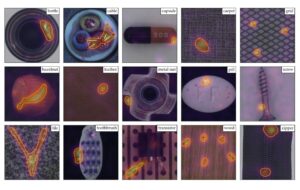
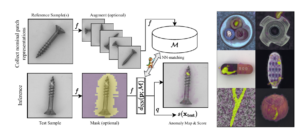
In quality inspection, for example, more and more companies are moving from visual inspection by people to automated inspection using AI.
By introducing an AI visual inspection system, you can:
- Address labor shortages and achieve stable quality control
- Improve inspection accuracy through high-accuracy anomaly detection
- Put inspection data to use through cloud management and advance DX
Initiatives like these may be eligible for the Labor-Saving Subsidy.
4. Steps for using the Labor-Saving Subsidy
- Obtain a gBizID Prime account (preparation needed before applying)
- Apply online once the call for applications opens (document screening and oral screening)
- Selection of subsidy grant candidates
- Equipment introduction and system development (carried out within 18 months)
- Completion report and inspection (measuring effects and reporting results)
- Subsidy claim and payment
Since there are application deadlines, we recommend preparing early.
5. Summary: improving productivity with subsidies
For SMEs to improve productivity and advance DX, making use of the right subsidy is important.
- For "developing new technology": the Monozukuri Subsidy
- For "easily introducing catalog-listed products": the Labor-Saving Catalog Order Type
- For "introducing custom-made automation and labor-saving systems": the Labor-Saving Subsidy (General Type)
The General Type is particularly suitable for companies considering automating visual inspection or saving labor on production lines.
For subsidy details and how to apply, please see the official website (in Japanese).
SME Labor-Saving Investment Subsidy (General Type) official website
Contact
If your company is considering capital investment using subsidies, please feel free to consult us.
- Website: www.tomomi-research.com
- Email: info@tomomi-research.com
- Phone: +81-466-54-9003