CEO Message: Reflections on the Noh Play Fujito, First Half
 kotai2003
Reflections on the first half of the Noh play Fujito
When the old woman (the shite, or lead role) slowly made her entrance, I could not take my eyes off her. Beyond the beauty of the mask and costume, everything about her (the way she moved her feet, her slightly bowed head, the quiet movement of her outstretched hand) conveyed the deep sorrow of an aged mother who had lost her son. From the way she simply walked in silence, I felt the weight of "what goes unspoken."

Then, in the scene where the old woman confronts Moritsuna (the waki, or secondary role), I felt that her whole body expressed not only anger and resentment, but also the helplessness of a mother tossed about by an absurd age of war, and the strength of her wish, despite everything, to know the truth about her son. Above all, the sight of her pleading in tears before Moritsuna had a soul-stirring intensity.
When Moritsuna confesses that he killed her son, the old woman's distress spreads quietly but unmistakably. Her grief eventually reaches a despair so deep that she feels she "cannot remain in this world." Yet when Moritsuna finally promises to hold a memorial service, a faint sense of relief settles on her back. Her figure as she turned away left a lingering resonance beyond words.
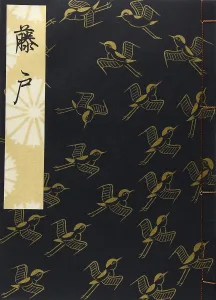
When I put myself in Moritsuna's position, I can see that in an age of war it was sometimes necessary to deceive not only one's enemies but even one's allies. Amid such harsh realities, he faced the grief of the old woman before him, confessed what he himself had done, and vowed to hold a memorial for her dead son and to protect the family left behind. I cannot help but wonder whether some kind of awakening had taken place within Moritsuna himself to bring him to that decision.