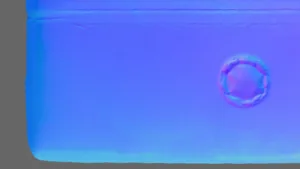
Same Face, Three Views: Bringing Industrial Inspection Imaging to Shin-Shonan Wellbeing Festa 2026
 kotai2003
On Saturday, November 21, 2026, TOMOMI RESEARCH, INC. exhibited at Shin-Shonan Wellbeing Festa 2026, held at Shonan Health Innovation Park (Shonan iPark) in Fujisawa, Kanagawa. Our day-to-day work is surface inspection imaging for manufacturing. For one sunny Saturday, we pointed the same lighting principle at a very different surface: visitors' own faces.
An inspection technology at a community festival
Organized by the Shin-Shonan Wellbeing Consortium, the festival brought together health check stations, hands-on technology from companies and universities, talks, food, and music. Our booth was framed as a light-and-imaging science experience, under the title "See the surface of your skin that an ordinary mirror doesn't show."
The idea was simple: let people experience, with their own face, the same imaging method we normally apply to manufactured parts.
The setup: four lights, one fixed camera
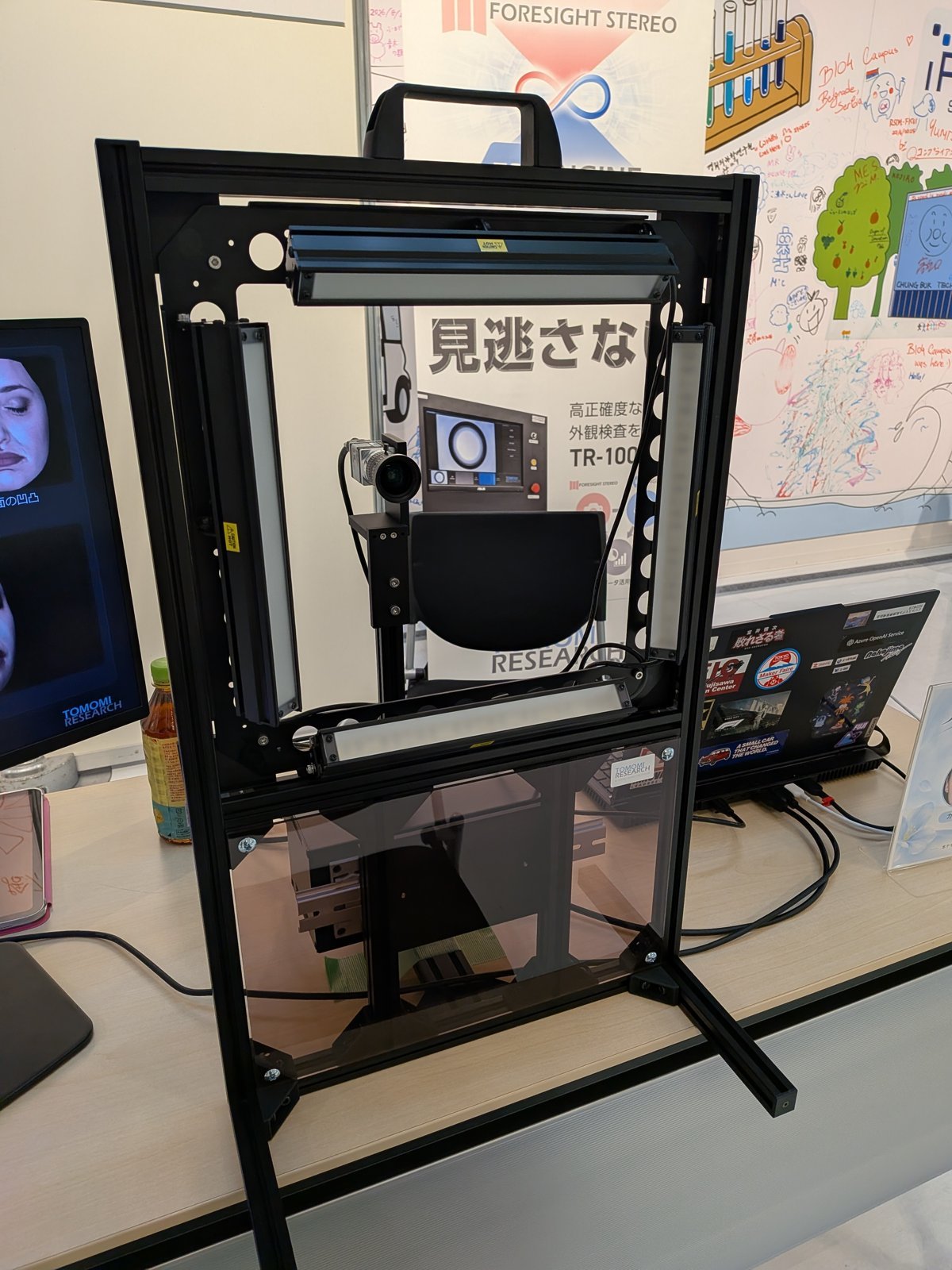
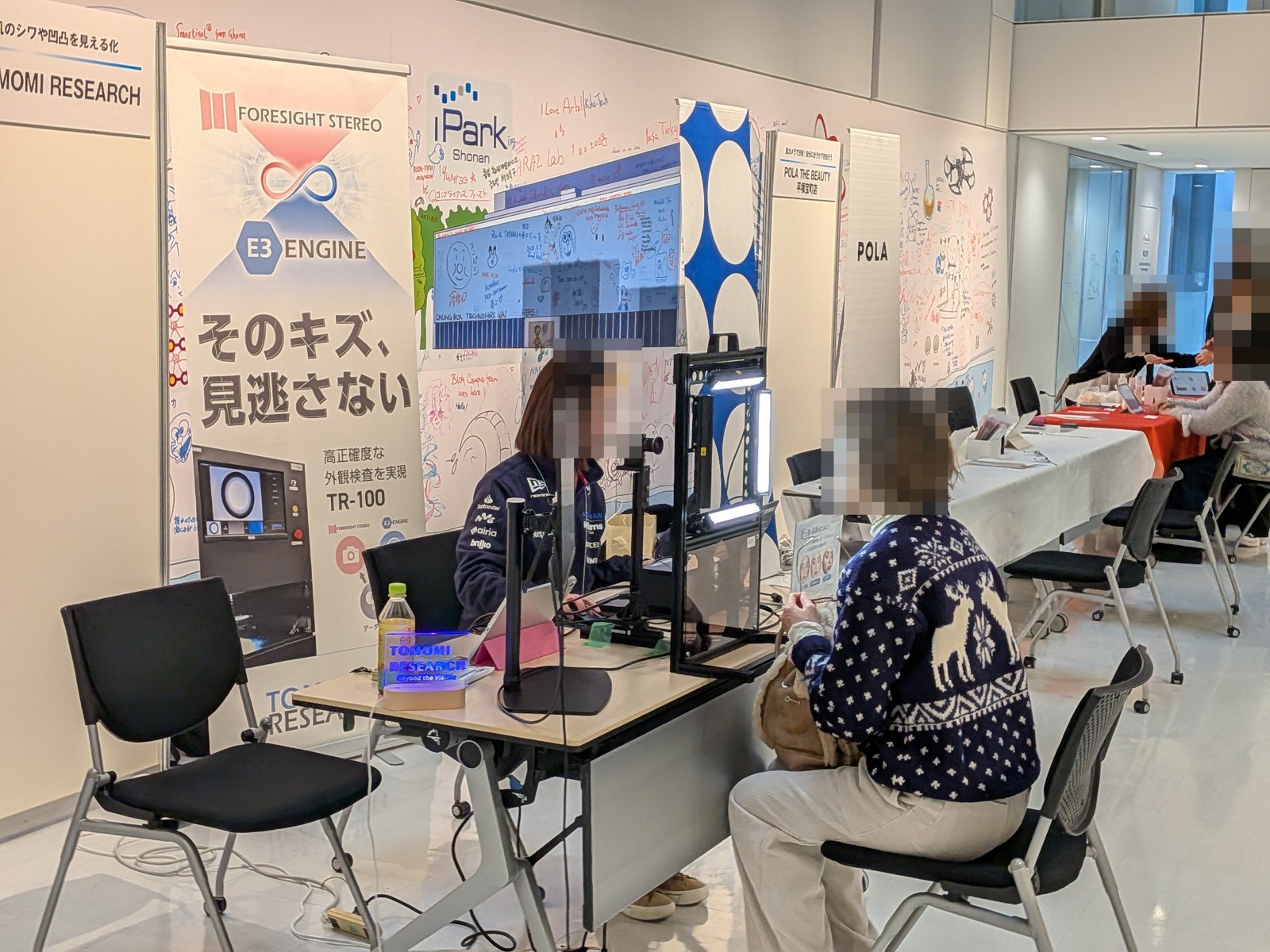
The imaging rig is a black aluminum frame with a camera at the center and four bar lights mounted above, below, left, and right of it. Visitors sat in front of the frame to be photographed. A monitor beside the rig showed sample face images so people could see what kind of output to expect.
How it works: photometric stereo in three steps
The method is called photometric stereo. In plain terms, it reads the shape of a surface from how its brightness changes as the light moves. The booth walked visitors through three steps:
- Change the light. The camera stays still. Only the direction of the light changes, and several images are captured.
- Compare the brightness. The same spot looks brighter or darker depending on where the light comes from. From those differences, the system calculates which way each part of the surface faces.
- See the relief and the shape. The result is displayed as the fine relief of the skin surface and the overall 3D shape of the face.
Think of low evening sunlight across a road: small bumps you never notice at noon suddenly cast shadows. Photometric stereo applies that effect deliberately, from several directions, and turns it into an image.
Same face, three views
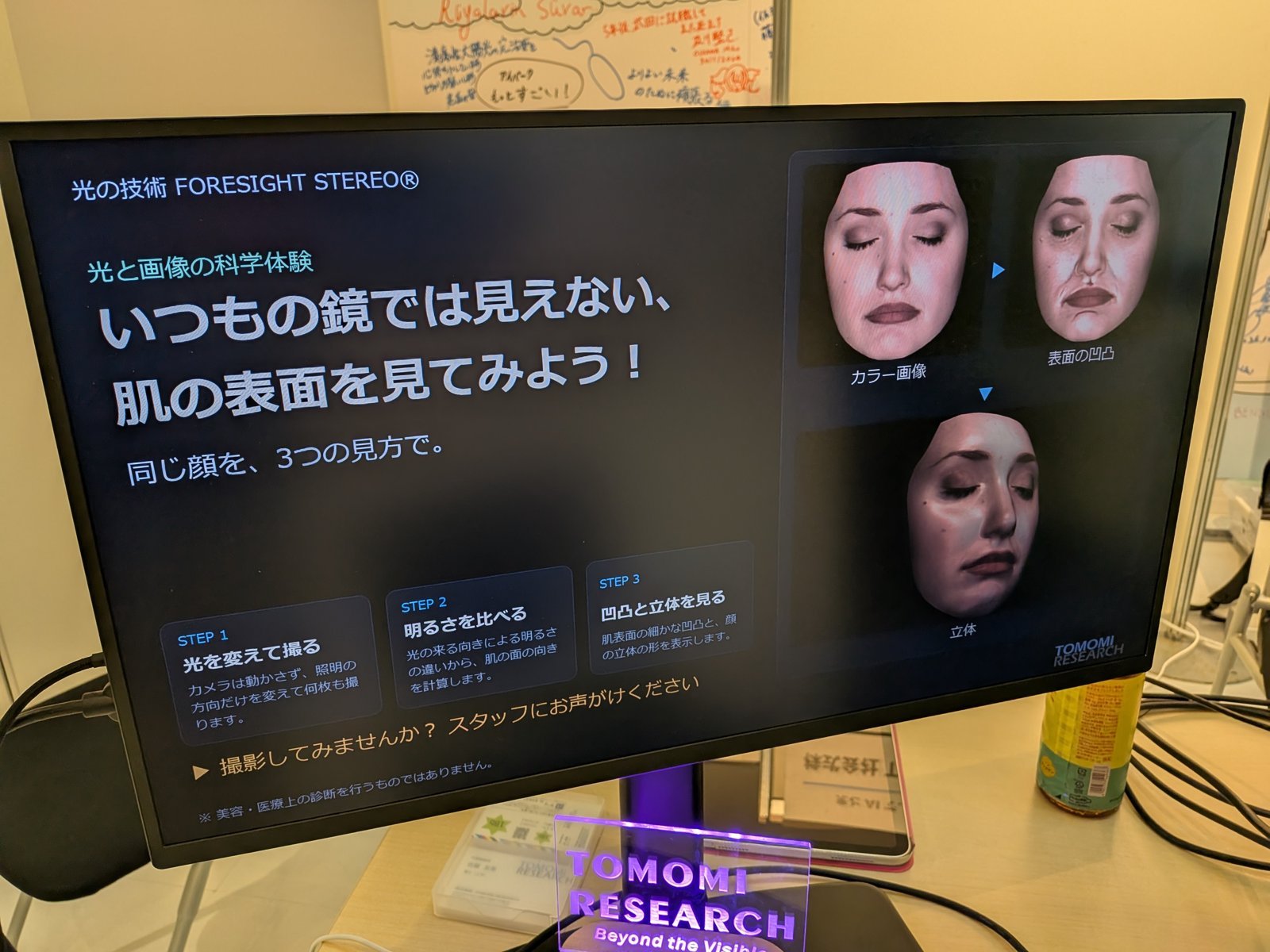
From one set of captures, the booth showed three ways of looking at the same face:
- Color image – the ordinary photograph
- Surface relief – the fine texture of the skin surface
- 3D shape – the overall form of the face
The explanation screen at the booth presented all three side by side using sample images. This was a science experience about light and imaging. It is not a cosmetic or medical diagnosis.
On the day
At the booth, visitors took a seat at the booth and tried the imaging experience while our staff guided them through each step.
The same principle on the factory floor
Behind the booth hung a banner introducing our regular business: FORESIGHT STEREO and E3 ENGINE, with a Japanese tagline that translates roughly as "Not a single scratch slips by."
The light technology used at the booth, FORESIGHT STEREO®, is the one we use in industrial visual inspection. The principle does not change between a face and a machined part: keep the camera fixed, change only the direction of the light, and work out which way the surface faces. On the production line, that is how fine surface irregularities on parts are brought into view.
For inspection teams, the "three views" idea is the useful part. A scratch or dent is a change in shape, not necessarily a change in color. A regular photo mixes the two together. Looking at the surface relief on its own can make shape defects visible when a standard color image does not show them clearly.
A face turned out to be a natural way to show this to a general audience. Everyone knows what their own face looks like in a mirror, so the extra information in the relief and 3D views is easy to grasp.
Thank you
Our sincere thanks to everyone who visited the booth, and to the Shin-Shonan Wellbeing Consortium and the festival secretariat for organizing the event. It was a valuable day for us to share light and imaging technology with the local community, and we look forward to more opportunities to meet our neighbors in the area.
Working on surface inspection or machine vision? Contact TOMOMI RESEARCH, INC. to discuss how photometric stereo could fit your inspection process.
→ Contact us
Related video: 3D observation of facial skin with FORESIGHT STEREO (TOMOMI RESEARCH YouTube, Japanese)